
Curious about the programs offered by the Stanford Center of Latin American Studies for summer teacher travel abroad? Let’s welcome Sarah Willoughby, who did an educational institute in Guatemala, funded partially by a scholarship.
Teaching Traveling: Sarah, tell us a bit about your background, and your connection to global education.
Sarah: I grew up in Portland, Oregon and studied at the University of Hawaii at Manoa. I currently teach Global Studies at Everett Community College in the state of Washington.
My partner is from South America, and we share a commitment to showing our kids the world from multiple perspectives. We have enjoyed extended visits to Spain, Mexico, Guatemala, Costa Rica, Colombia, Guyana and Brazil.

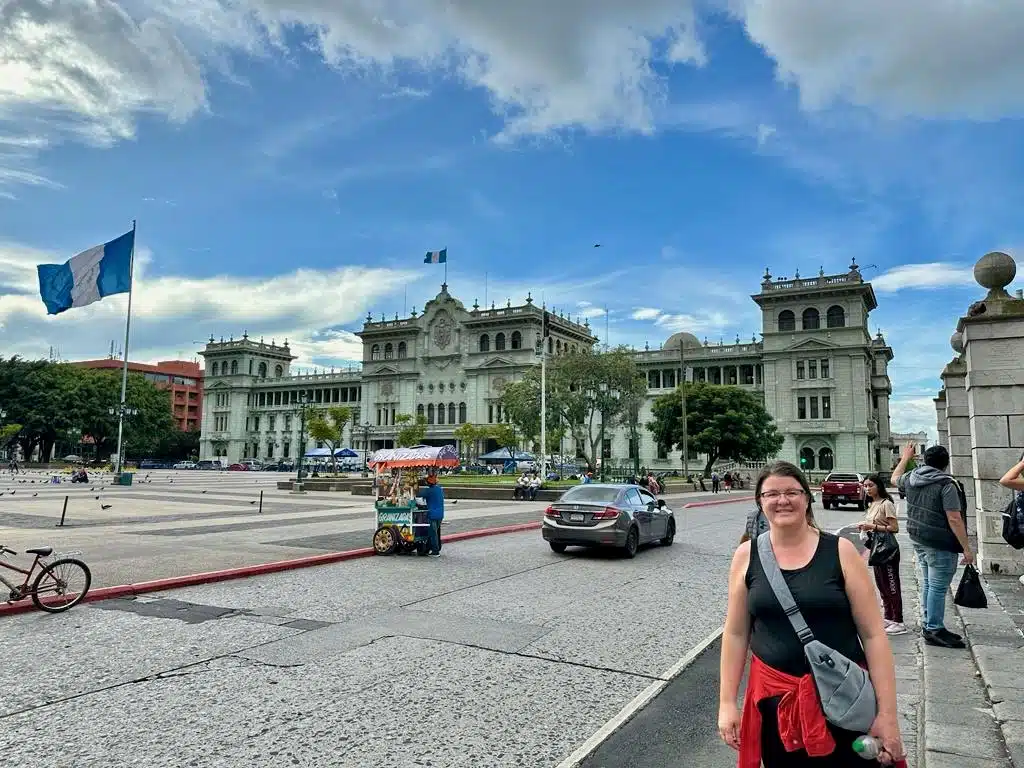
TT: Nice! Tell us about the teacher travel PD you did in Guatemala.
S: In the summer of 2023 I was selected to participate in a teacher institute with the Stanford Center for Latin American Studies. The topic was the Cold War in the Americas. As an 80s baby, I had long felt like I needed to brush up on my understanding of the Cold War Era.
TT: Wow — how do you find this travel opportunity, and how was it funded?
S: I routinely check the Latin American Studies centers for professional development opportunities. This institute was originally planned for 2020 and finally happened in 2023.
I was awarded a scholarship through Stanford. The rest of the expenses were covered by professional development funds from my college.
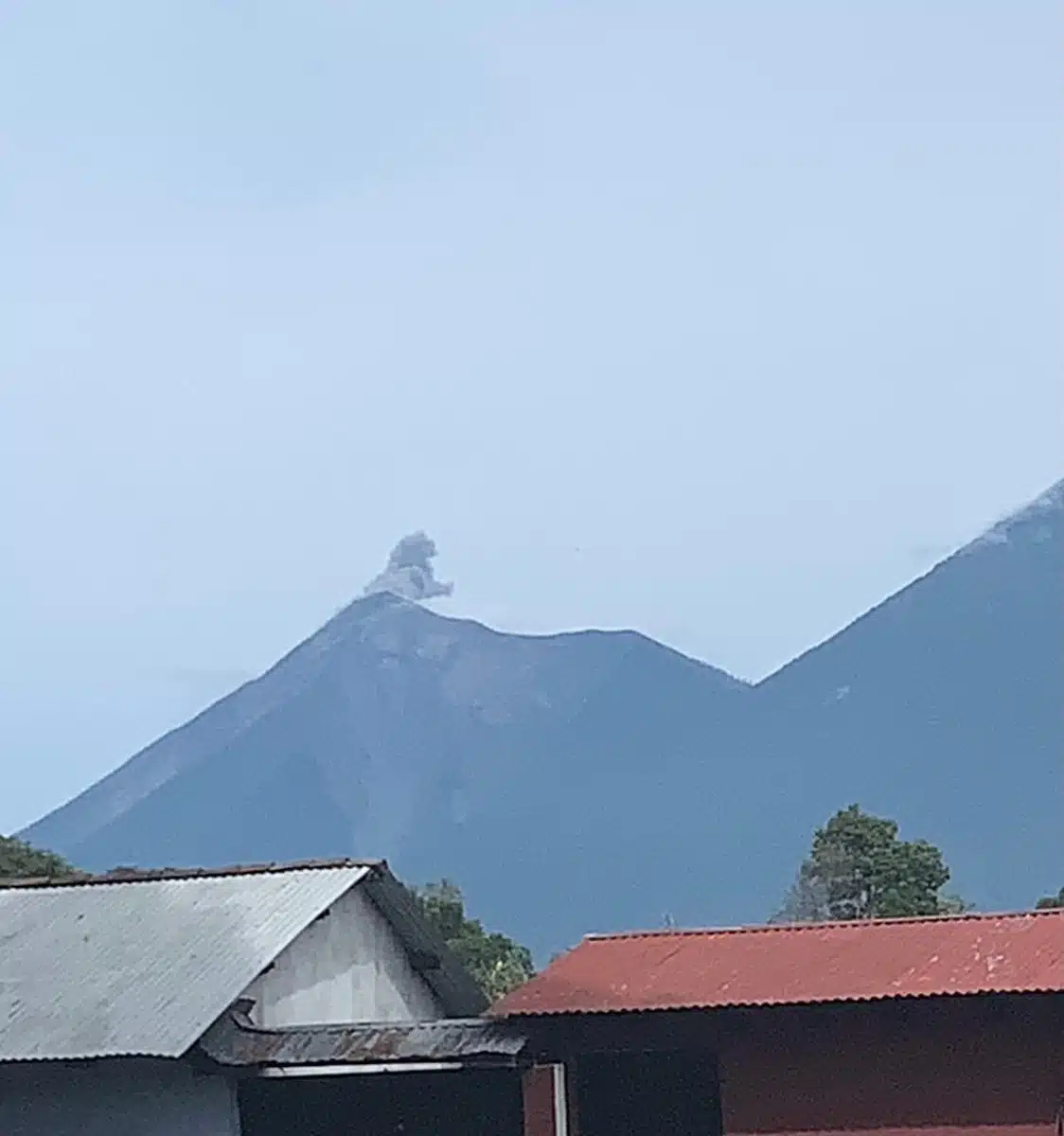

TT: Amazing. Tell us one moment from your Guatemala trip that was particularly powerful.
S: This particular institute covered some really heavy content. We learned about the 200,000 Guatemalans that were disappeared during the internal armed conflict.
We spent day after day hearing about the devastation of families and communities, seeing the different ways that those that remained coped, persevered and honored their loved ones. It was really tough.
And yet, what I noticed was that the people that we learned from spoke with a palpable sense of joy. I have come to understand this as a form of embracing paradox (one of the foundations of inclusive pedagogy).
The one moment that I will never forget is visiting the National Association of Guatemalan Widows CONAVIGUA memorial and hearing from Rosalinda Tuyuc. We stood at the memorial, a beautiful piece of land with a sweeping view of the beautiful Guatemalan countryside.
There was a breeze. Rosalinda talked about losing her husband as a young woman and spending the rest of her life founding CONAVIGUA and working with other families who had lost loved ones.
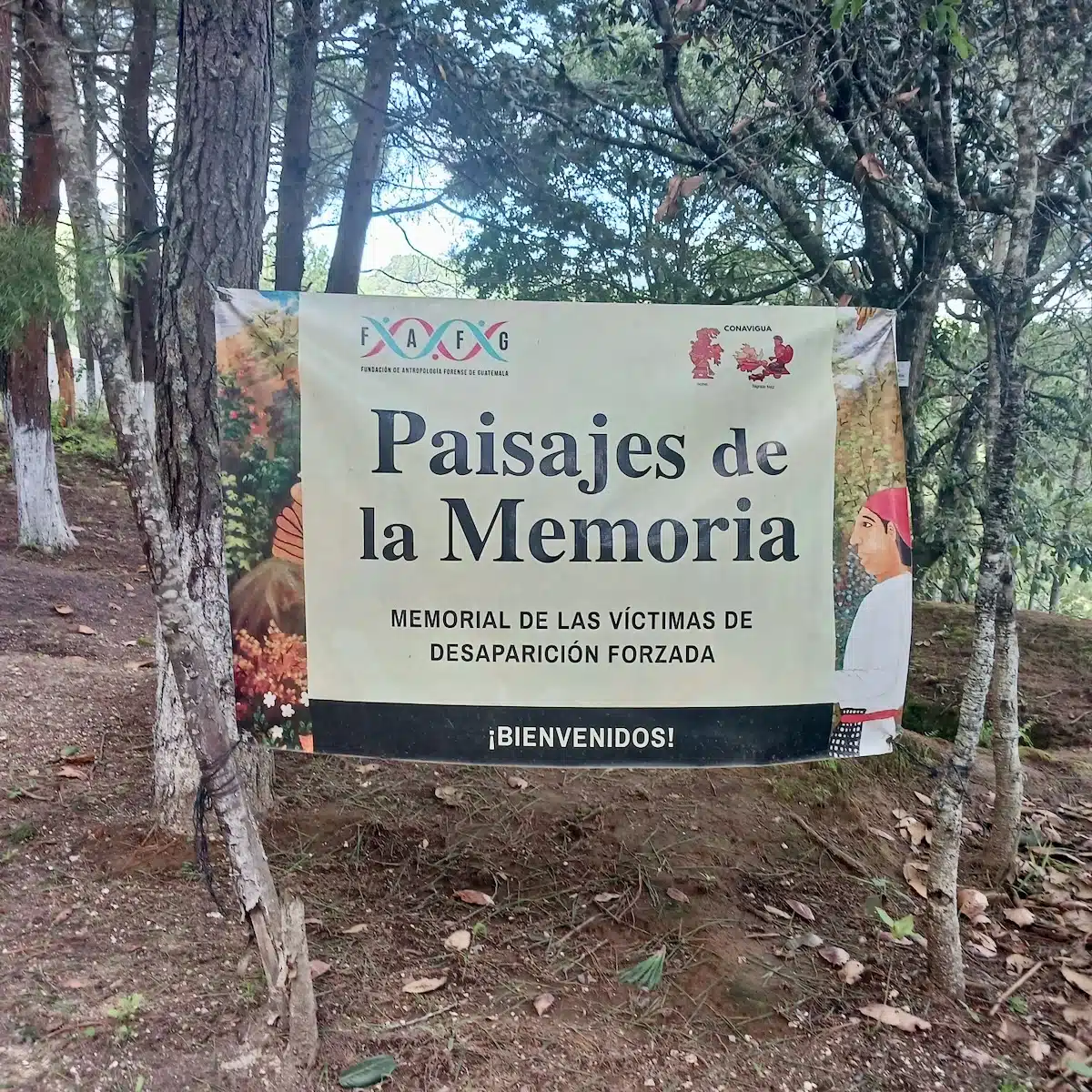

At the end of her talk, one of the teachers from our group asked Rosalinda what she would like us to tell others in the US about what we had learned. She said that she saw us as a window, a way for her to share these stories with a wider audience, so that people would know what happened in Guatemala.
Prior to this institute, I had worried about being voyeuristic and I wondered if I “deserved” to be chosen (imposter syndrome, I suppose). Rosalinda’s words helped me feel like I had a purpose as a member of this group, that I was worthy of being there that day. I can share this information, these experiences and perspectives with small groups of young people, term after term, year after year. And I can share them with you.
TT: So powerful. How have your travels impacted you as a teacher, and a person?
S: I had been reading about Guatemala for 20 years, but to be there and learn about the history from Guatemalan folks was very impactful. I spent a lot of time re-writing content this year, using my new perspective to add details and depth to lessons that I had prepared before this experience.
Even little details, that seem small, like saying “no tenga pena” as a response to “gracias.” I have been able to pull in so many beautiful little details and experiences to my teaching.
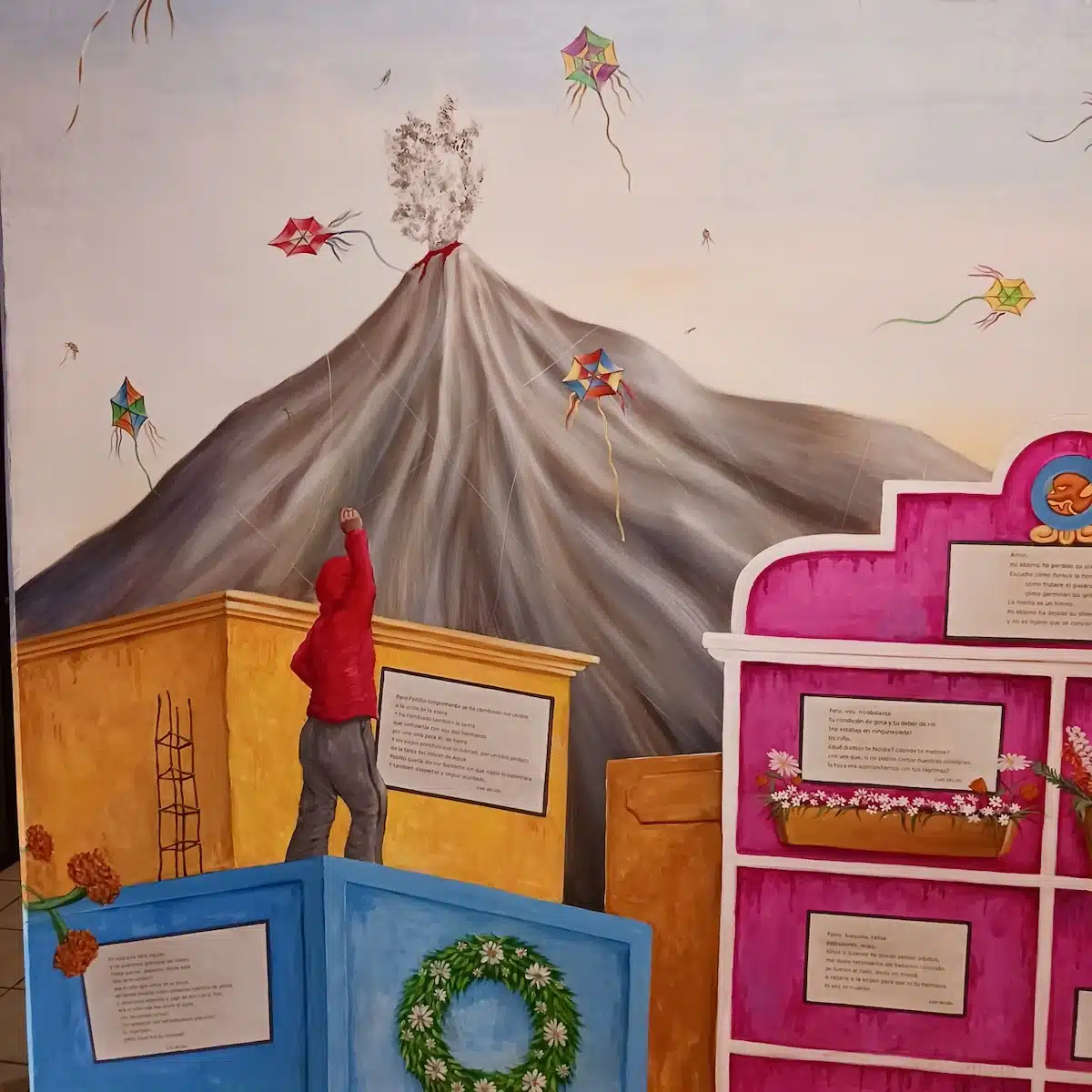

TT: Yes! What advice do you have for teachers who are dreaming of travel?
S: This is advice I give my Spanish students and it is appropriate here as well: take EVERY opportunity to practice, to apply what you are learning to real life interactions. If you find a program that interests you, but you are not sure if you will qualify, apply anyway!
TT: Thanks so much, Sarah! Readers, what questions do you have?

The author, Lillie Marshall, is a 6-foot-tall National Board Certified Teacher of English from Boston who has been a public school educator since 2003. She launched TeachingTraveling.com in 2010 to share expert global education resources, and over 1.6 million readers have visited over the past decade. Lillie also runs AroundTheWorld L.com Travel and Life Blog, and DrawingsOf.com for educational art. Do stay in touch via subscribing to her monthly newsletter, and following @WorldLillie on social media!