We The Teachers Fully Funded Fellowship About Colonial Virginia
Curious about the fully funded "We The Teachers" fellowship to study Colonial Virginia?
Let's hear from Jenna Pontius about her experience learning with this PD travel opportunity!
TT: Jenna, tell us a bit about your background.
Jenna: I’ve known I wanted to be a teacher since preschool, and I’ve never wavered. This year will be my 21st year in the classroom.
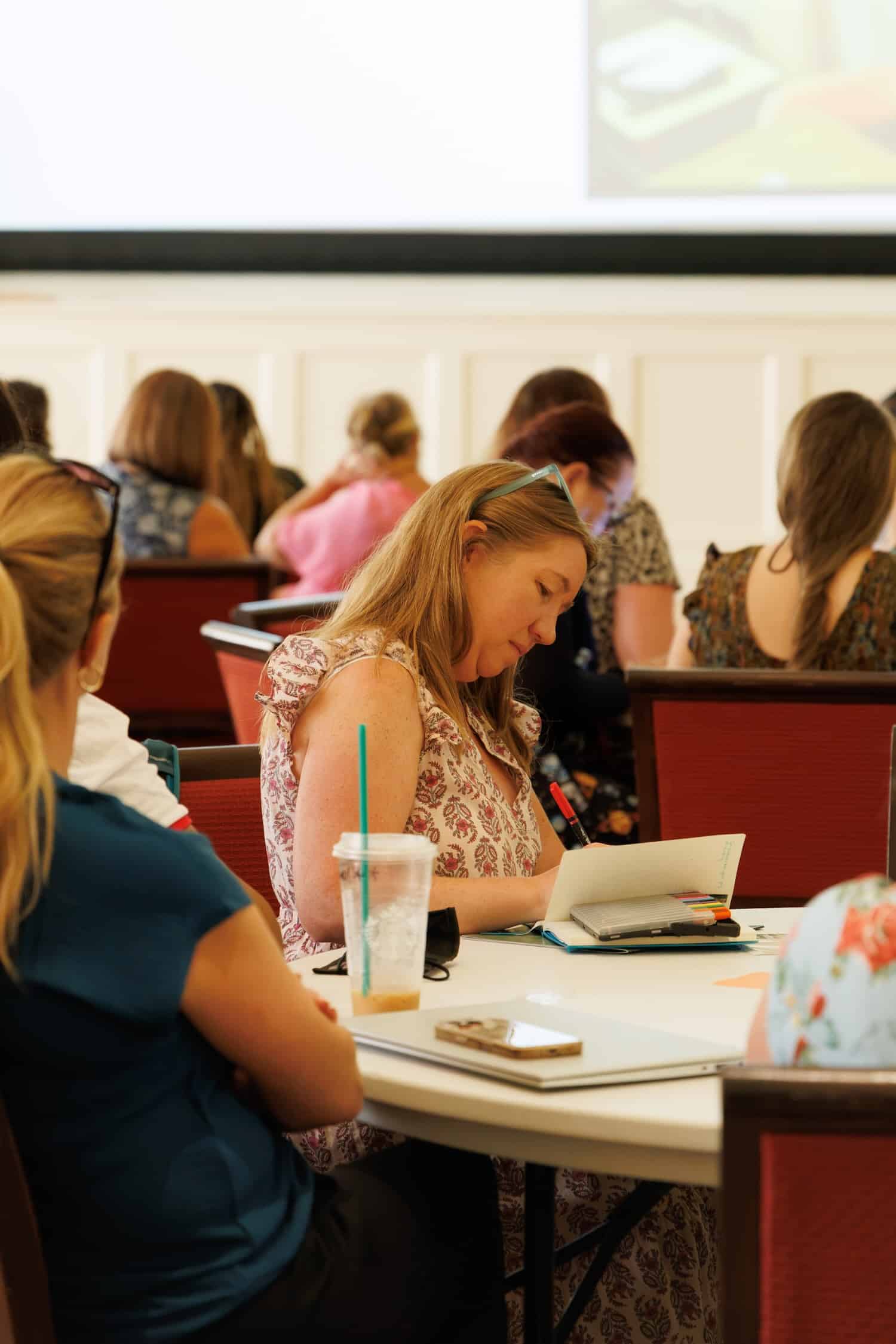
For the past 13 years, I’ve taught World History and Civics at a big Title I public high school just north of Seattle. Before that, I taught in Denver Public Schools for a couple of years, and at a public middle school in Las Vegas for 5 years.
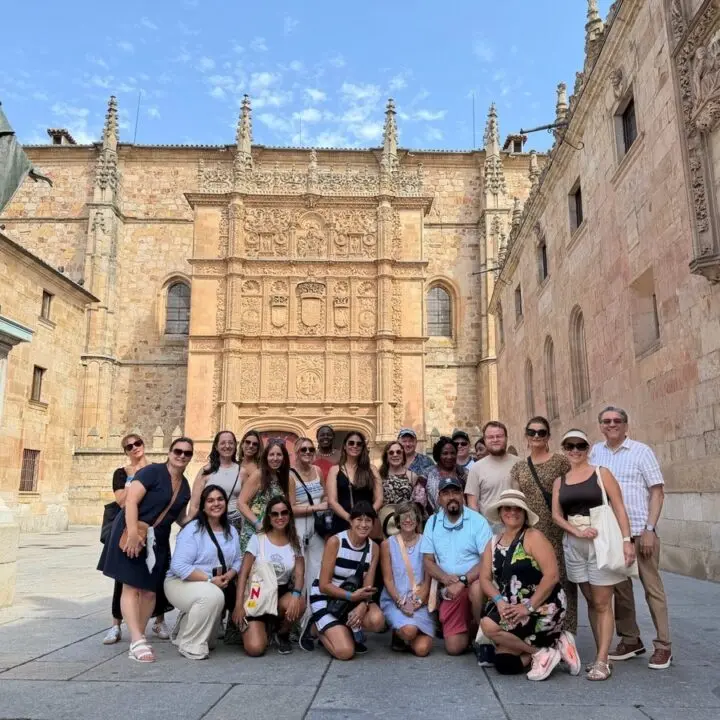
When I was in college, I had the opportunity to teach English in China for a summer, which was my first trip abroad. I later taught a bit in Trondheim, Norway, and did another summer teaching in China.
Once I started teaching, I loved going to conferences and classes, and was always on the lookout for travel opportunities. I didn’t travel as much when my kids were little, but now that they are a bit older, I’m getting back into it.
TT: Excellent! Tell us about your recent fellowship with "We The Teachers."
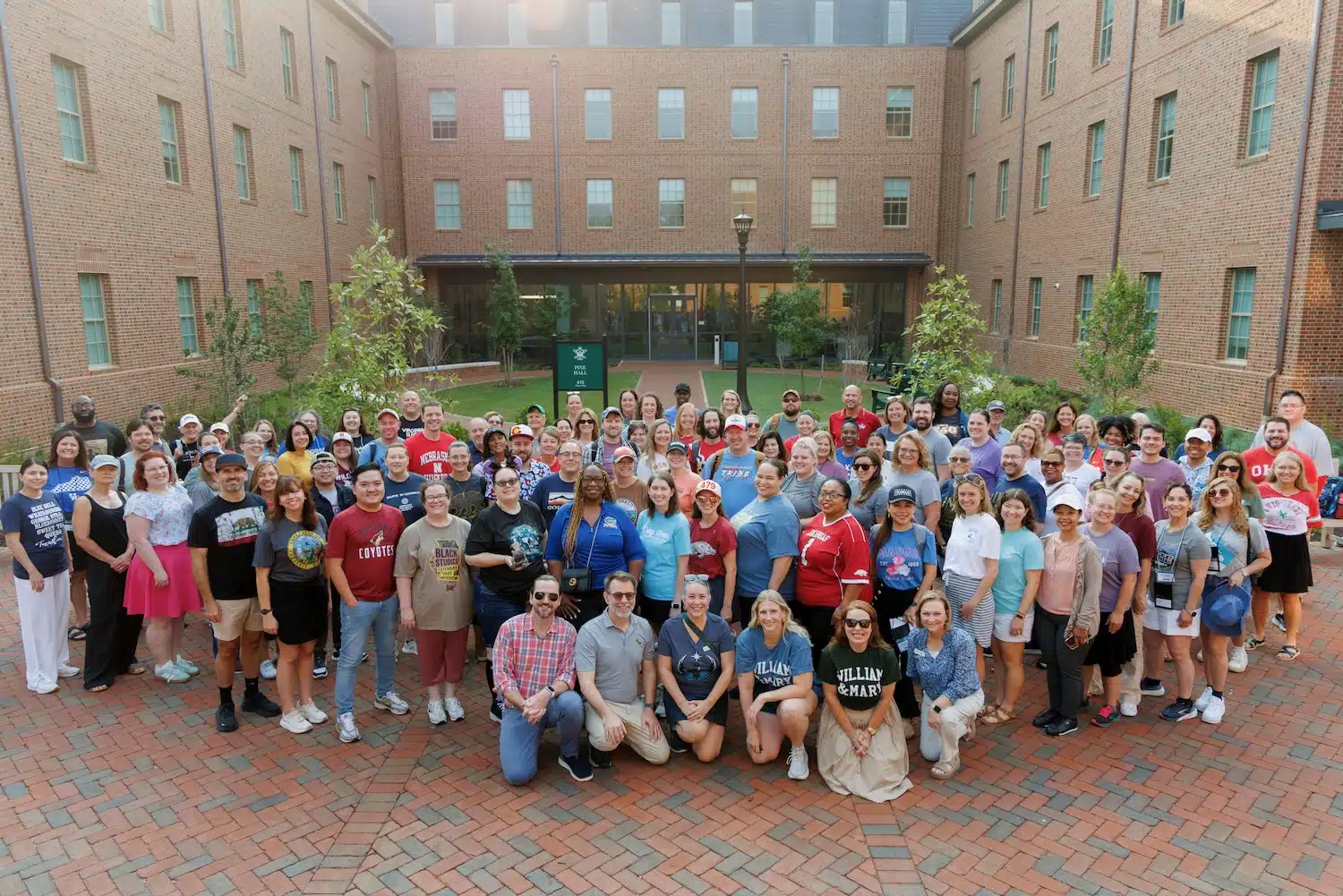
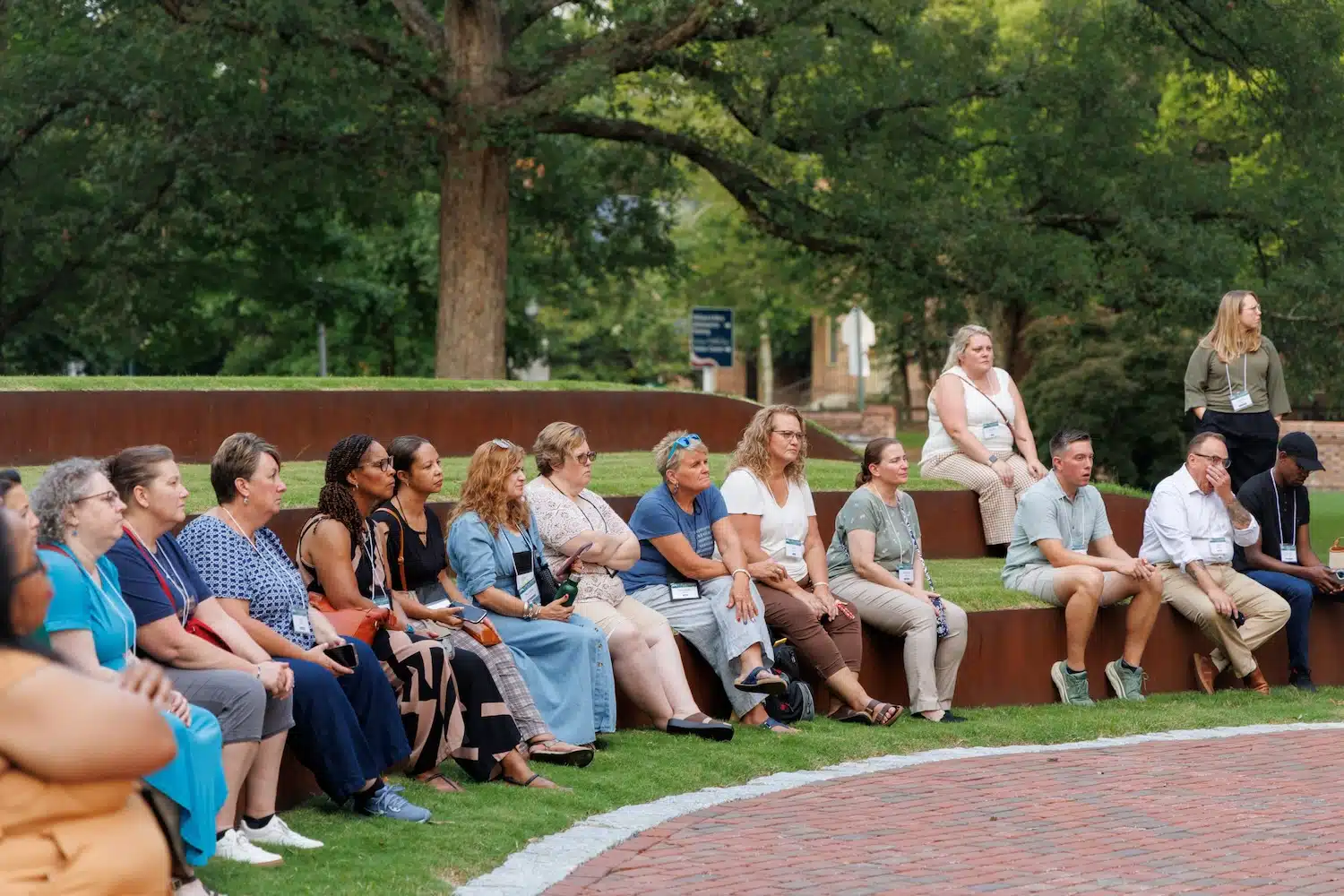
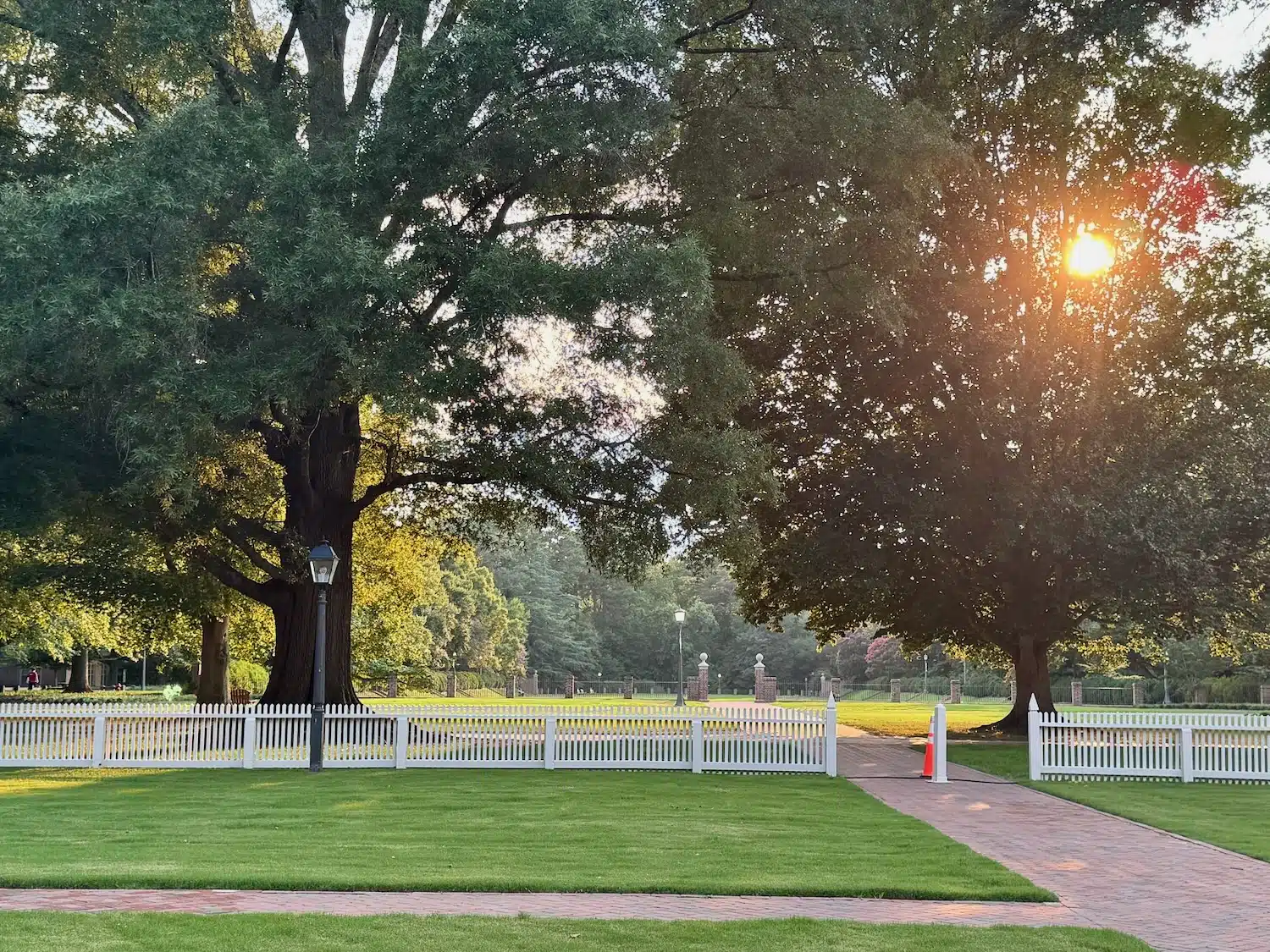
J: In July of 2026, I participated in the inaugural We The Teachers: Congress of Educators fellowship in Williamsburg, VA, hosted by William & Mary Strategic Cultural Partnerships and the National Council for History Education. With the W&M campus as our home base, we spent five days learning and planning while touring Jamestown Settlement, Colonial Williamsburg, and Richmond.
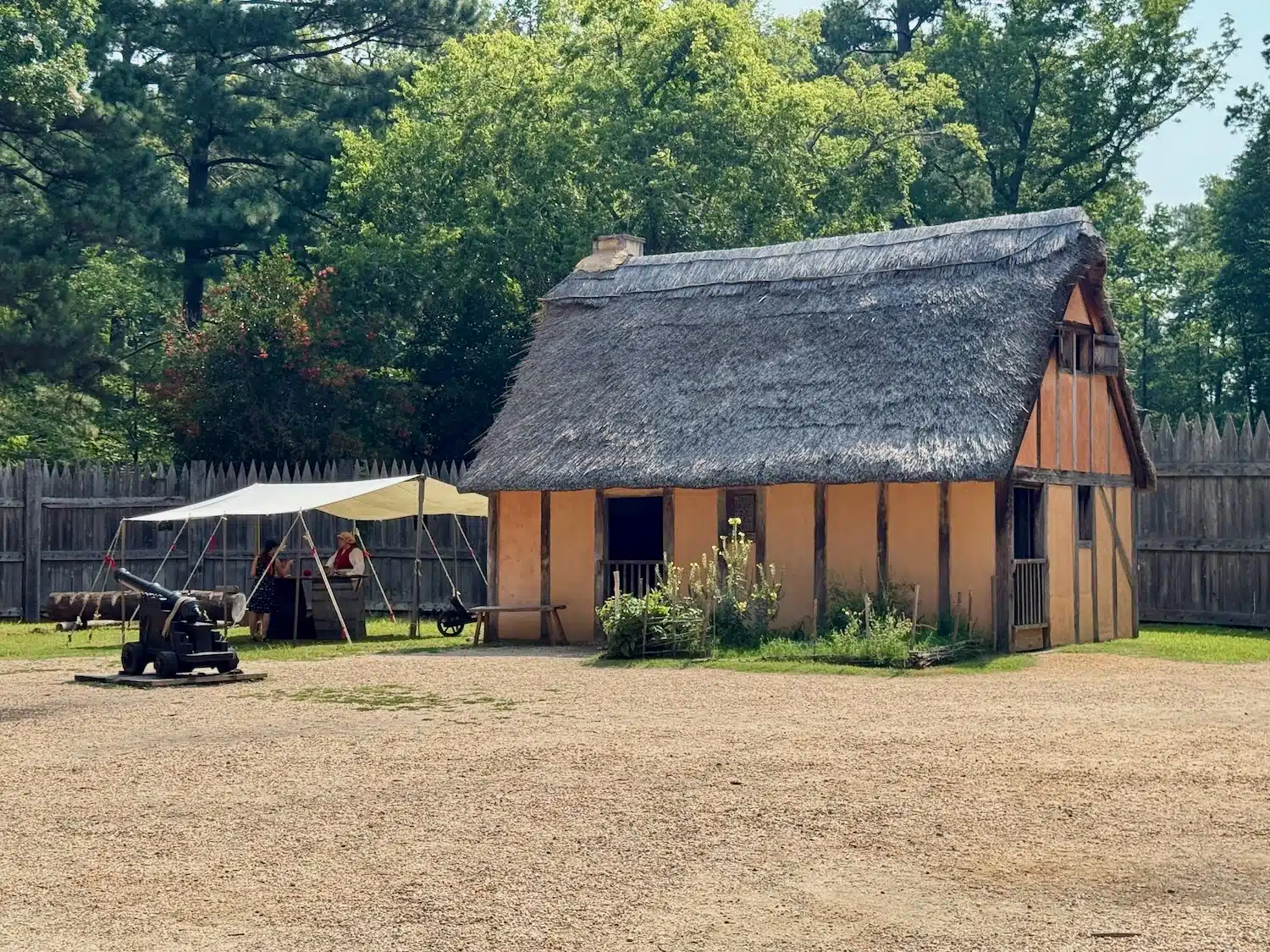
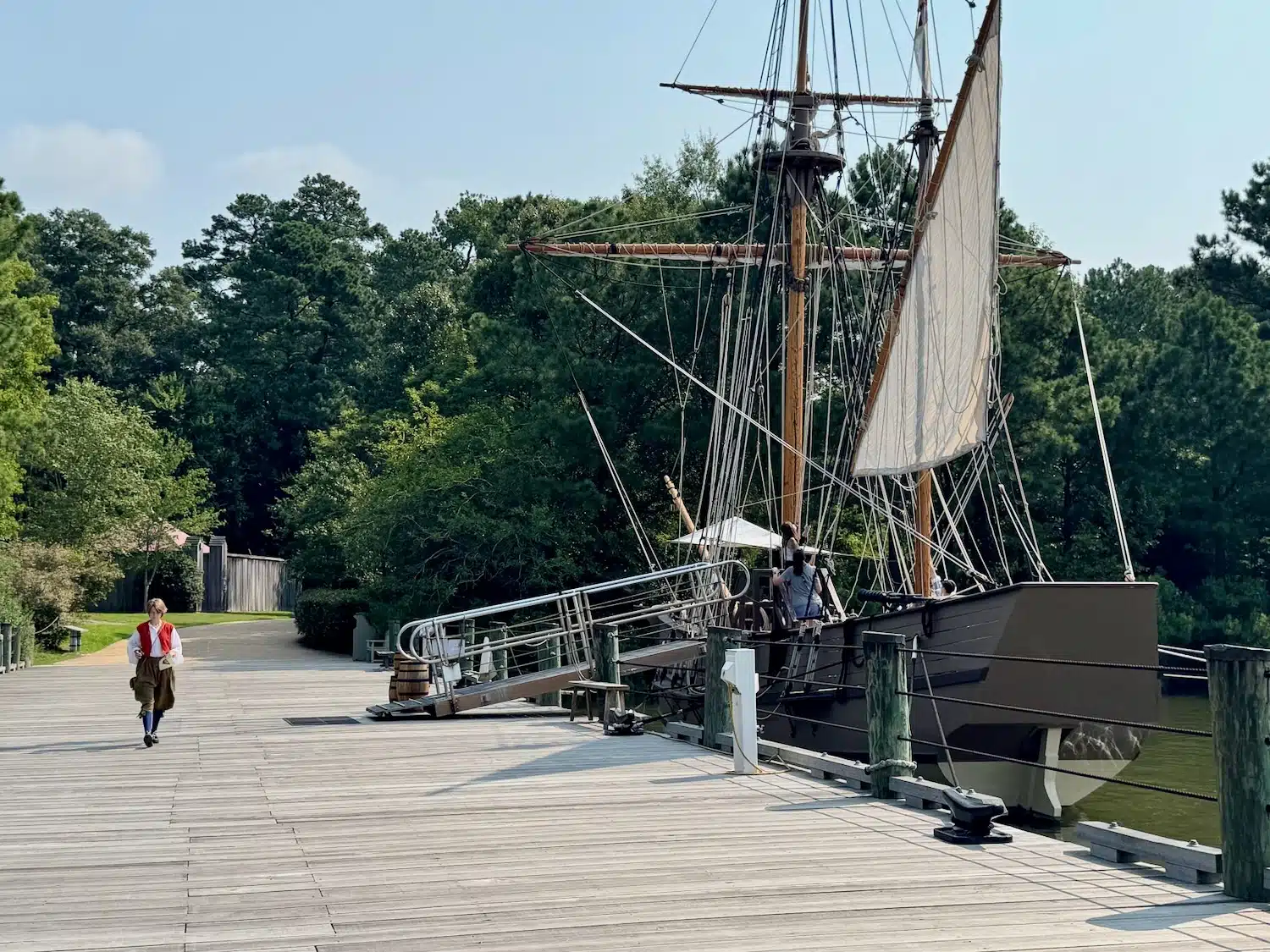
At Jamestown, we boarded replica ships, walked through a recreated Powhatan village and colonial fort, toured the museum, and saw a dramatic performance. Master Teachers from W&M took us through primary source lessons to use in our classrooms with artifacts and primary sources from Jamestown.
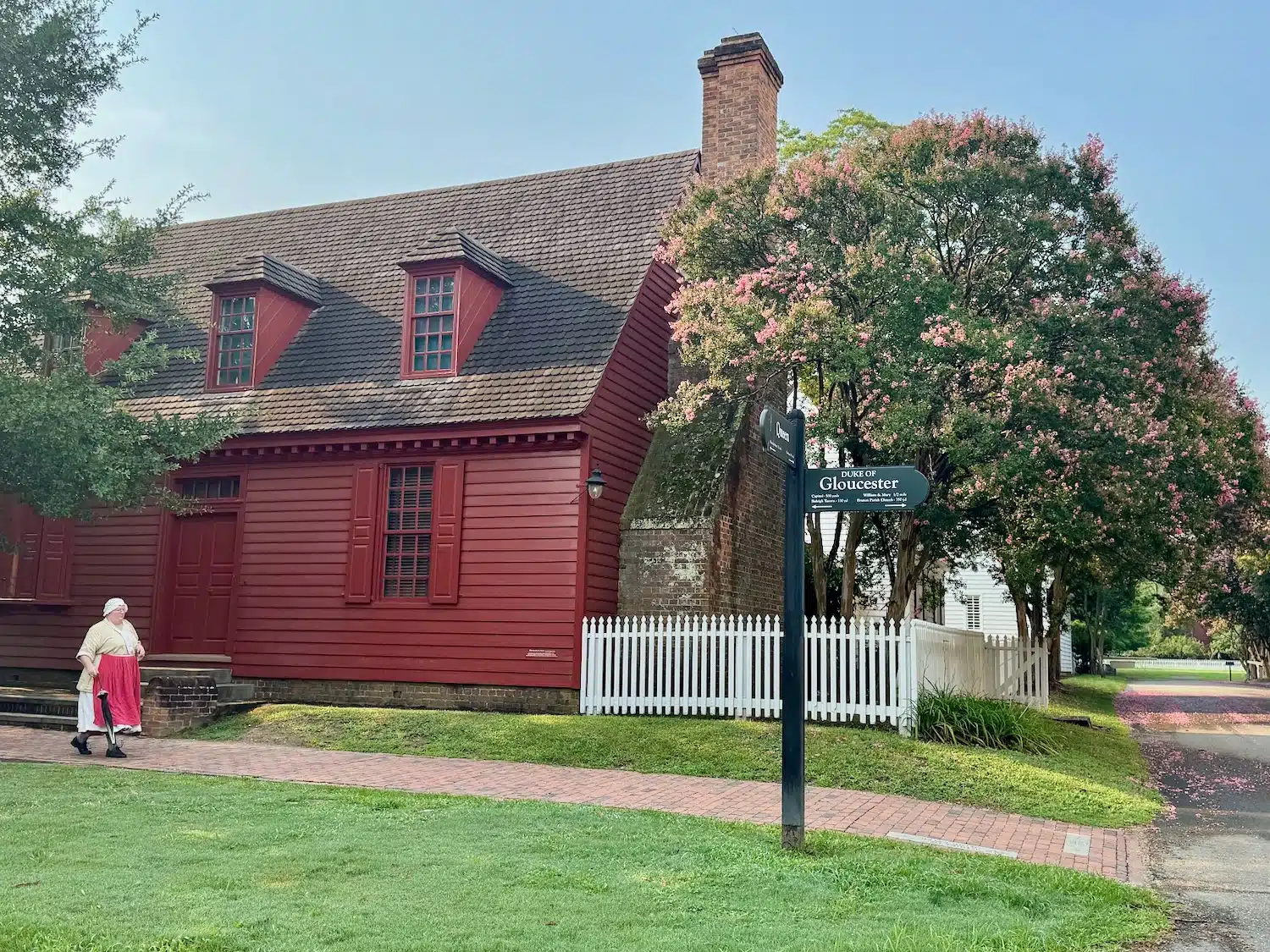
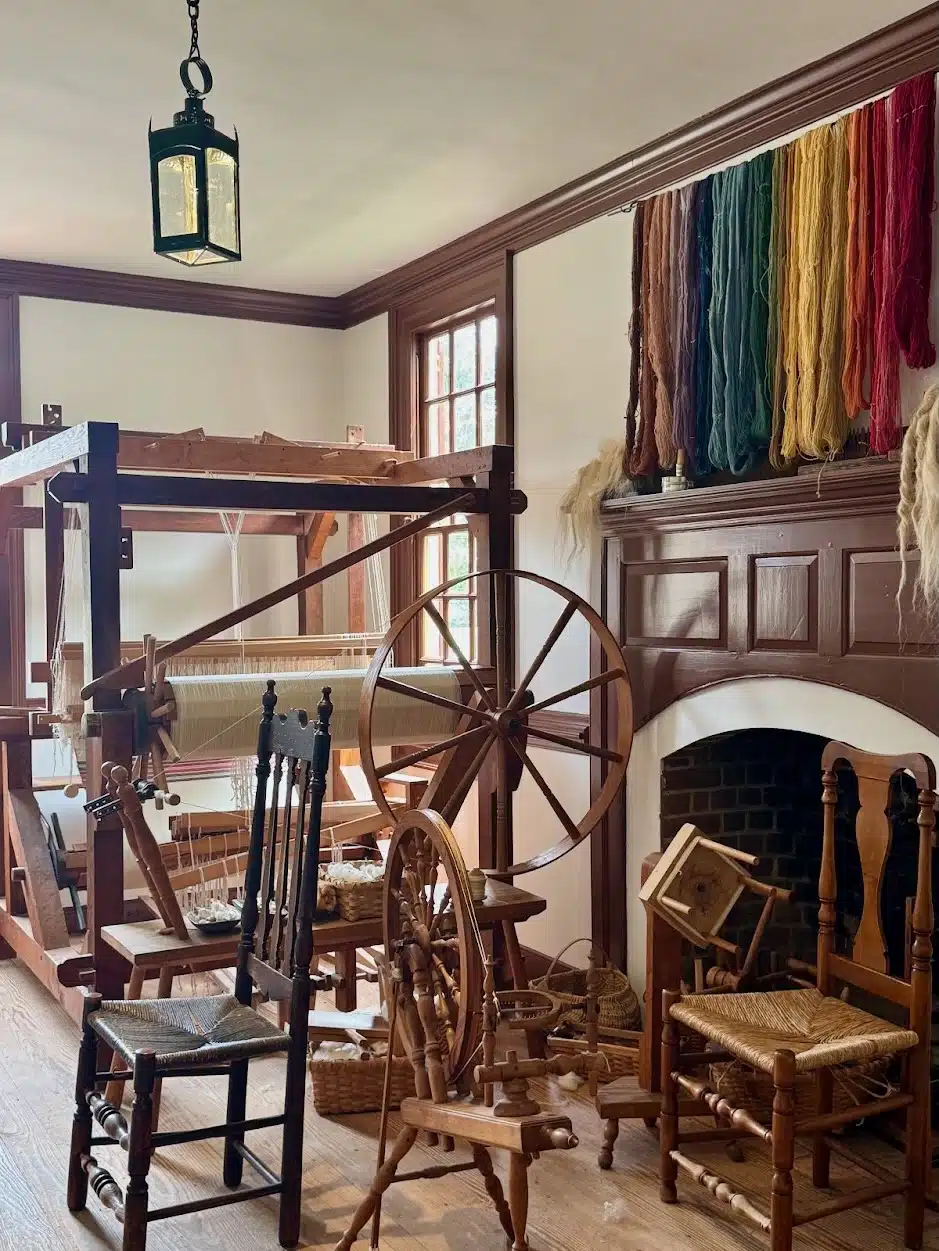
At Colonial Williamsburg, we toured taverns and courtrooms and took in the living history. In Richmond, we spent the day at the Virginia Museum of History and Culture, where we heard from a panel of giants in the history education world: Anthea Hartig, Director of Smithsonian’s National Museum of American History, Hasan Kwame Jeffries from Ohio State University, and Jessica Ellison, the NCHE Executive Director.
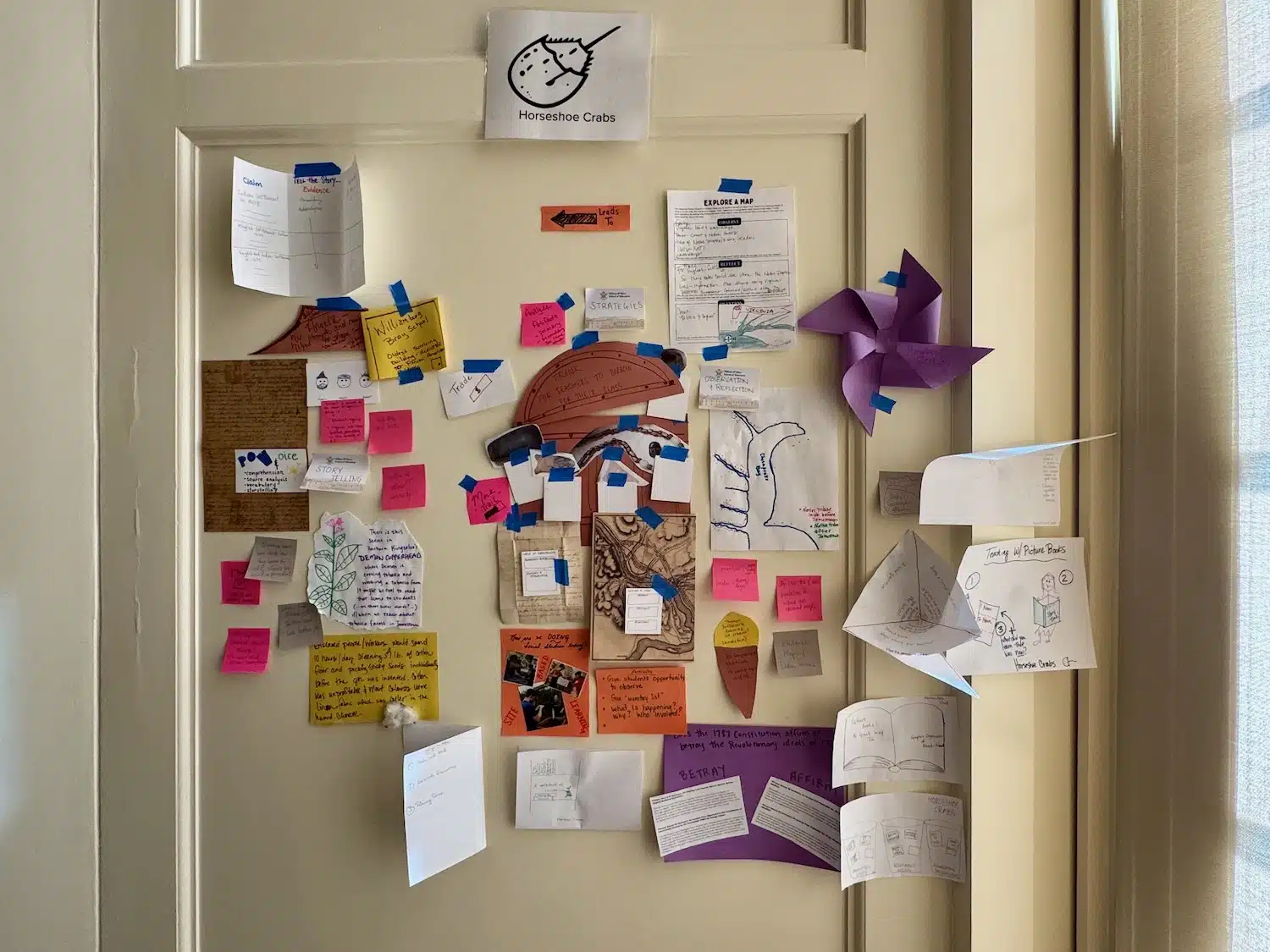
We toured the museum and received some teaching PD around civil discourse and literacy strategies. In between the tours, presentations, and performances, there was time each day for us teachers to reconvene in small groups to reflect and generate classroom ideas.
It was a great experience. The fellowship brought together 100 K-12 teachers (two from each state), and it was interesting to see the variety of experiences teaching history, particularly relating to the political climate in each state.
TT: Wow! What are the logistics of the PD fellowship?
Regarding logistics and requirements, the fellowship requires teachers to take two online courses before attending, and then share learning with at least 15 teachers afterwards. We were responsible for our own travel to and from Williamsburg, but room and board was provided.
We stayed in (private) dorms and had meals at the dining hall. Teachers were given a $2,500 stipend: $1,500 after completing the course and on-site program, $1,000 after sharing learning with 15 other teachers.
This fellowship has funding for at least another two years, and they’ll be accepting applications again in late Summer 2026. Check here for more information and to apply.
The online classes are lilyPD: Professional Development powered by William & Mary, and are available for anyone to take for free! They are created and taught by teachers with extensive classroom experience, and are chock full of ready-to-use classroom strategies, curated primary sources, and fascinating interviews with historians.
TT: Fantastic. How do you find your funded PD travel opportunities?
J: This very website! I also hear about opportunities via the National Council for Social Studies (NCSS) and NCHE email lists, teacher conferences, and from fellow teachers.
Usually, teachers who travel do a lot of it and are very tapped into other teacher travel opportunities. The first "get to know you" question at summer conferences tends to be, “What other PDs are you doing this year?”
TT: How do you find the money to fund your travel?
J: I usually look for opportunities that offer free room and board and/or a stipend. The problem with living in Washington state is that the majority of history PDs are on the East Coast, so plane tickets can be a bit pricey.
However, the benefit of living in Washington state is that teachers are well paid here. On top of earning a livable wage, I get a $10,000 bonus for being a National Board Certified Teacher in a Title I school. A chunk of that money is earmarked for summer PDs!
TT: Nice! Tell us one moment from your travels that was particularly powerful.
J: One thing that often strikes me when I see historic places is how small history is. It’s easy to assume that decisions were made by famous people in grand settings. But that simply isn’t true.
History is small and quotidian. Decisions made by irreverent twentysomethings shaped our country.
The courthouses and inns where founding fathers frequented are teeny, as are the ships that sailed across the Atlantic. Even well-known towns were minuscule.
There are more students at my high school than people who lived in Williamsburg in the mid 18th century. Traveling reminds me of this smallness, which in turn reminds me that every day people (like my students!) can and have and will change the world.
TT: So well said. How have your travels impacted you?
J: I know I should say that I can feel the weight of history when I stand in historic places, but that’s not quite true. I love traveling, but I don’t feel the weight of history right away.
But when I come home and read or teach or learn more about the place I’ve been to, that’s when my travel experiences hit me. Travel unlocks something for me.
Once I’ve been to a place, I feel like it’s “mine.” Only after I can remember a place -- the feel of humidity, the sound of lapping waves, the memory of walking down a street with a new friend -- do I feel like I really know that place. But then it’s mine forever.
I can teach students about a place with more passion and knowledge once I’ve been there. When I’m reading about a place I’ve been to, I can visualize it and better understand whatever I’m reading.
I gravitate towards news about cities and countries I’ve traveled to, and I’m more empathetic if the news isn’t good. So while travel is exciting and fun in the moment, the real impact is that I carry all the places I’ve been with me forever.
TT: Yes! What advice do you have for teachers who are dreaming of travel?
J: Apply, apply, apply! Even if you think you aren’t good enough, or won’t get selected, or don’t feel like updating your resume, or might get too nervous to go. Just do it! You just might surprise yourself by getting accepted and then loving it.
TT: Thanks so much, Jenna! Readers, what questions or comments do you have?

The author, Lillie Marshall, is a 6-foot-tall National Board Certified Teacher of English from Boston who has been a public school educator since 2003. She launched TeachingTraveling.com in 2010 to share expert global education resources, and over 1.6 million readers have visited over the past decade. Lillie also runs AroundTheWorld L.com Travel and Life Blog, and DrawingsOf.com for educational art. Do stay in touch via subscribing to her monthly newsletter, and following @WorldLillie on social media!
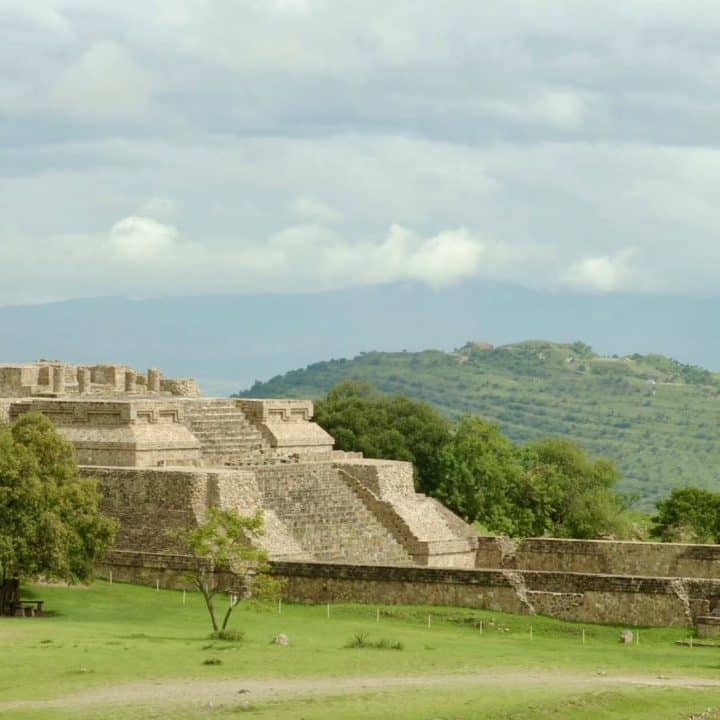
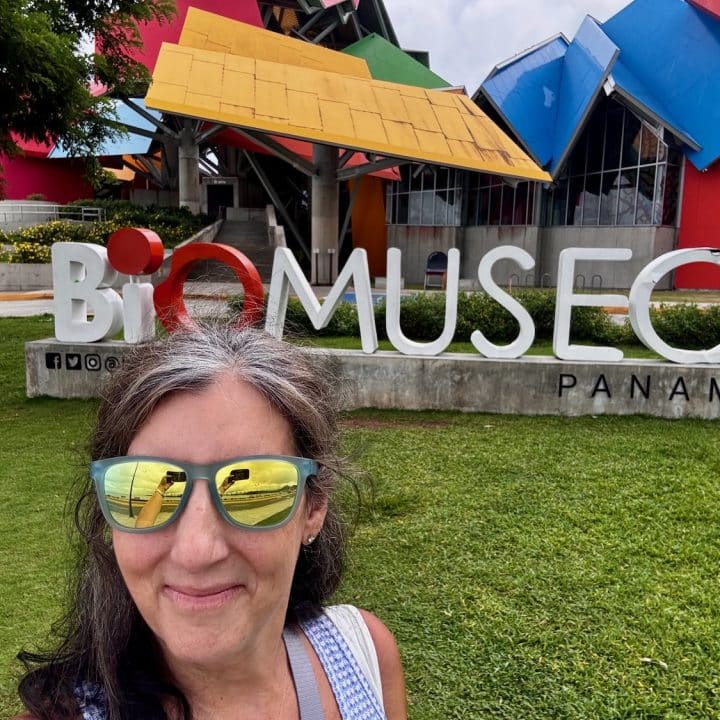
Thank YOU for reading, and thanks to Lillie for publishing this! For questions or outtakes, find me at Jenna Repeats History on Substack :)
Wonderful! Just subscribed and look forward to seeing what you go on to do! The Teaching Traveling community thanks you for taking the time to share about this fellowship, and I know this interview will be very helpful to others interested in the opportunity.